Space4Rent Music — Hiro Zarf
Heavy
Grace
Contemporary Worship / Contemplative Gospel
"4am. One lamp. The dark before the light. Something present that you did not make and cannot earn."
Stream EP One: That →
Space4Rent Music — Hiro Zarf
Contemporary Worship / Contemplative Gospel
"4am. One lamp. The dark before the light. Something present that you did not make and cannot earn."
Stream EP One: That →The Project
Heavy Grace is the worship project of Hiro Zarf — the same voice that moves through cities at night on Manic Squash, now standing still in the dark before dawn and finding something there. Not a reinvention. A completion.
The same deep, unhurried voice that observes the world from the outside on Manic Squash turns inward on Heavy Grace and finds what has been underneath everything all along.
The Name
Grace is not light. Grace is not easy. Grace is not the feeling you get when everything goes right. Heavy Grace is what finds you when everything has gone wrong and stays anyway.
It lands like something you have been carrying your whole life finally being set down. That is the sound. That is the feeling.
Heavy Grace is not a church project. Not a denomination. The door is wide. The theology is plain. The voice is the same one that has always been there.
EP One
Opens the EP in pure stillness. The narrator present before the day has any demands on it. Voice, one guitar phrase, one pad. The refrain is three words that carry the weight of the entire EP.
The testimony song. Something heavy was carried for a long time. The song is not about the putting down of the weight — it is the moment just after. What it feels like when something you forgot you were carrying is suddenly gone.
The theological center of the EP. One word as the entire statement. Three short verses, each recognizing a different ordinary mercy. No bridge, no refrain. The track ends on silence. The silence is the fifth verse.
The widest sounding track on the EP. Faith as something older than the narrator, older than their parents, older than anything they can trace. The production opens up here more than anywhere else on the record.
Closes the EP as an invitation. The narrator turns outward toward the listener for the first time. The production is the fullest and warmest on the EP. The final chorus is the voice alone. The EP ends the way it began — one voice in the dark.
Sonic Elements
Production Philosophy
Removal. Start with almost nothing and only add what the moment absolutely requires. If the voice can carry the weight alone, let it. The silence between notes is as important as the notes themselves.
Reference points: early Sufjan Stevens' devotional quiet — the production restraint of Bon Iver's first album — the theological plainness of Rich Mullins — the vocal authority of Bill Withers applied to sacred material.
Hiro Zarf
Heavy Grace and Manic Squash are the same voice moving in two completely different directions. Manic Squash observes the world at 2am from the outside — strangers cataloged, cities mapped, absences noted. Heavy Grace is where that same voice stops moving and stands still.
Same precision. Same economy of language. Same refusal to over-explain. Different direction entirely. Together they map the full interior landscape of one voice that was built to carry more than one kind of truth.
Manic Squash vs. Heavy Grace
| Manic Squash | Heavy Grace | |
|---|---|---|
| Hour | 2am | 4am |
| Direction | Outward — the world | Inward — what's underneath |
| Production | Dusty lo-fi, jazz | Sparse worship, breathing pads |
| Lyric mode | Observation | Testimony |
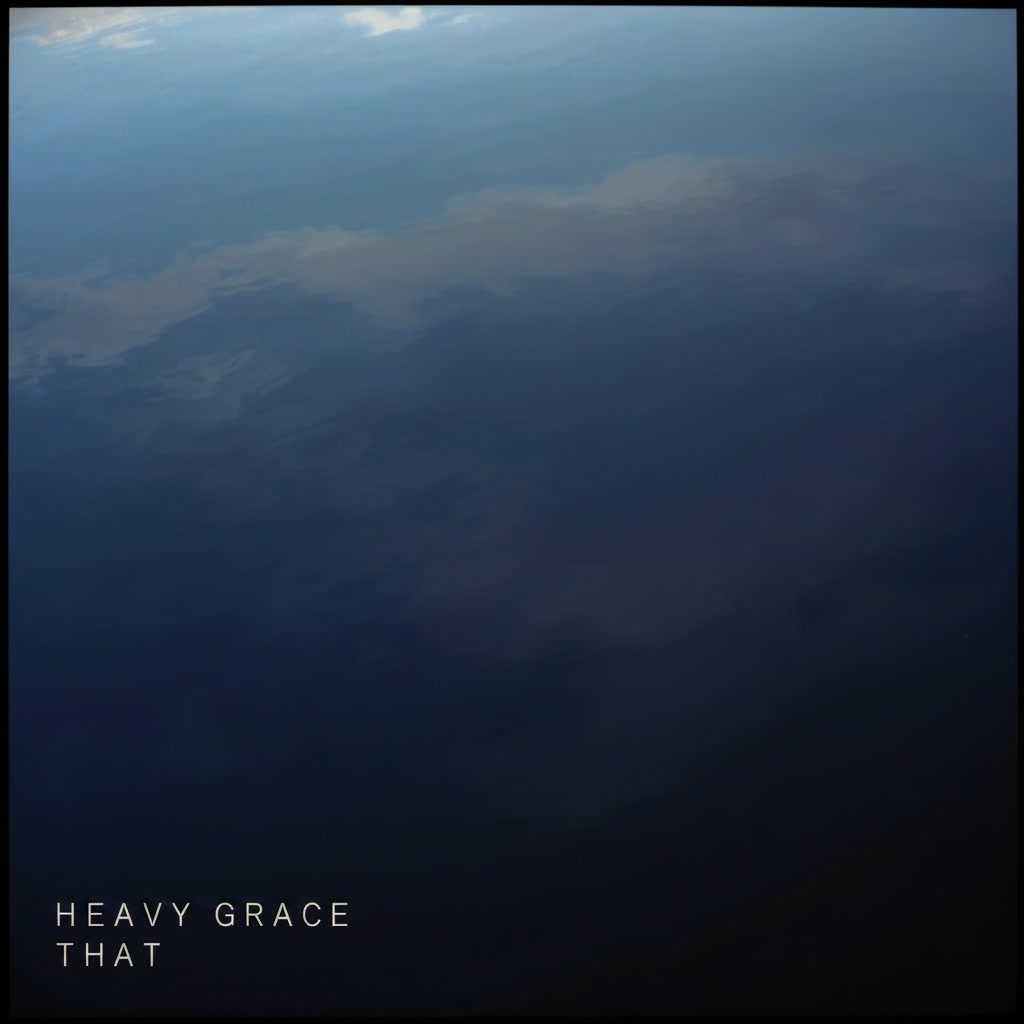
| Visual world | Amber, wet pavement | Blue-gray, open hands |
| Posts | After midnight | Before sunrise |
Now Streaming
EP One: That — Heavy Grace